
Play Athanasia by exploring carefully, managing limited supplies, and considering alternatives to direct combat. The developer describes a survival-focused immersive sim, and independent demo coverage supports a flexible approach to encounters. This guide explains those confirmed systems; route-specific help is collected in the walkthrough.
Coverage: Official systems overview with clearly identified historical demo examples.
Understand the survival loop
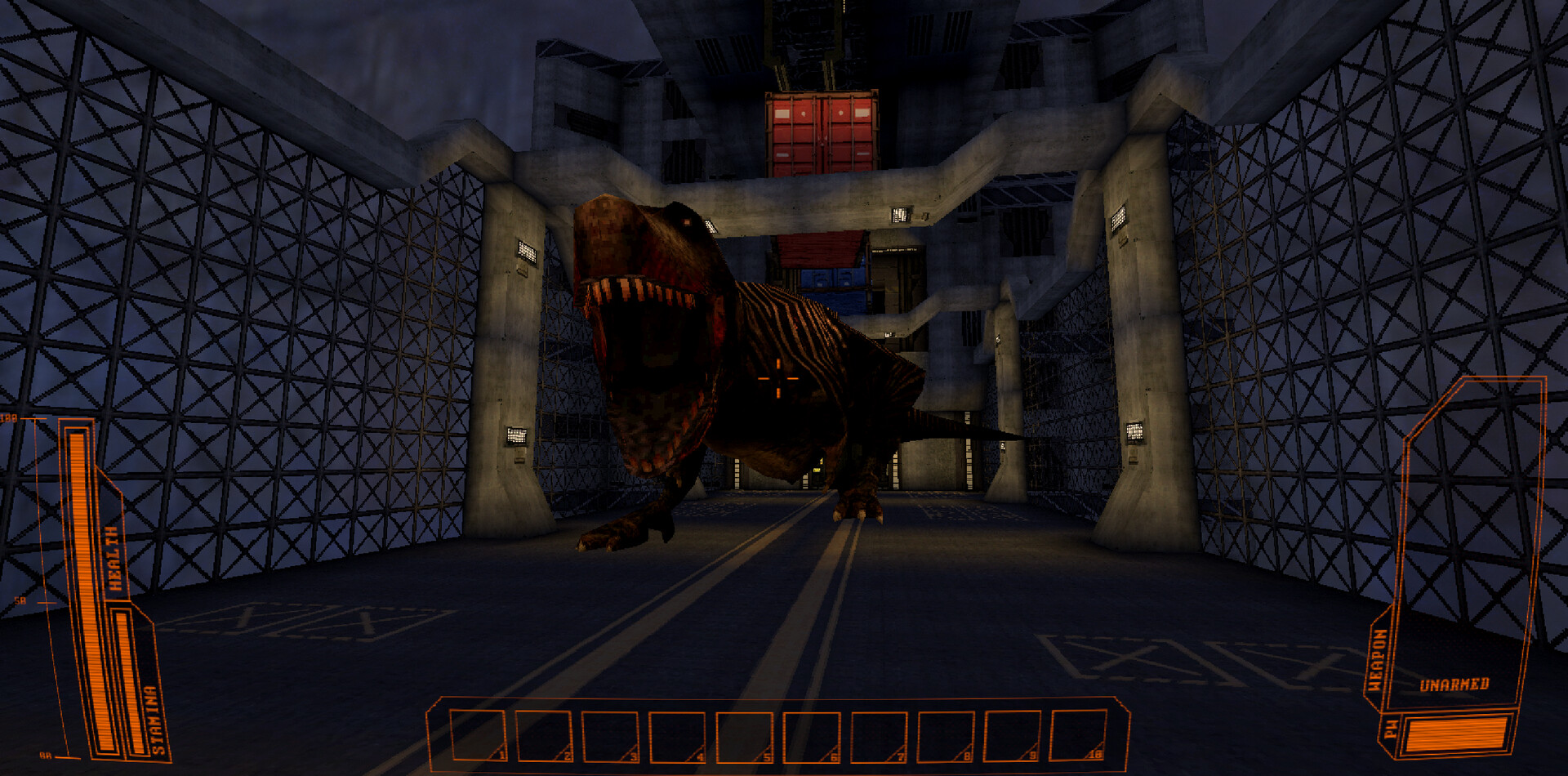
Athanasia combines first-person action with survival and interactive exploration. The official description emphasizes a hostile environment, limited resources, and several ways of using your equipment. Independent alpha-demo coverage also describes alternative paths and non-lethal ways of approaching enemies.
Those features make your immediate objective more useful than a simple instruction to fight everything. Decide whether you need to cross an area, investigate an obstacle, or obtain access to another route. Treat combat as one possible part of that task, while keeping the supplies you already have in mind.
Think about equipment as a set of options
The developer describes an array of weapons and tools rather than a single required combat style. The Steam overview also identifies crafting, distractions, and traps as parts of survival. Equipment therefore belongs in both your encounter planning and your approach to an obstructed environment.
A useful starting question is what a tool allows you to attempt in the situation in front of you. That question keeps your attention on the environment instead of assuming every problem requires more ammunition. The official material supports adaptable tool use, but it does not provide a universal equipment ranking.
Recognize the role of crafting
Crafting is a confirmed system, and independent demo coverage places it alongside inventory management. It extends the ways you can use resources during exploration. The available descriptions support combining items into useful equipment, rather than treating every collected object as an isolated pickup.
Keep recipe-specific questions separate from the broad fact that crafting exists. A demonstrated combination in a historical demo has a narrower meaning than a complete recipe list for every build. Use the puzzle-solutions page for the documented early firebomb interaction and its version context.
Explore before committing to an encounter
Both PCGamesN and Alpha Beta Gamer describe alternative routes in demo environments. This gives exploration a practical role beyond finding optional background detail. Looking at the available space can change which encounter you actually need to attempt.
A description of multiple paths does not establish the exact connections in a complete facility map. Follow the environment you are currently playing rather than assuming every passage belongs to a documented shortcut. The map page explains what the collected material can establish about navigation.
Read obstacles as interactions
The official overview names hacking computers, opening doors, and refueling machines as ways of reaching new paths. These are concrete examples of the interactive environment. They connect the equipment you carry with the access problems you encounter while exploring.
The examples describe different activities, so one solution should not be applied automatically to every obstacle. Read the situation and the interaction available in your played version. Exact key presses, machine sequences, or numerical codes require more specific evidence than the general overview supplies.
Make supply decisions deliberately
Limited resources are central to the developer’s description of the game. The Steam survival section likewise recommends conserving supplies and choosing fights carefully. These statements support a cautious approach without establishing a particular ammunition budget or optimized loadout.
Ask what an encounter will help you accomplish before investing resources in it. Then consider whether exploration or a different tool offers another approach to the same objective. This is a decision-making framework based on the confirmed systems, rather than a measured claim about the best strategy.
Keep demo observations in their proper context
The independent coverage used here includes historical demo and alpha impressions. Those articles are useful evidence for what their writers experienced at the time. Their publication context matters when a specific interaction is compared with a different build.
An overview can explain supported systems without claiming that every old route remains identical. A complete walkthrough needs an ordered sequence for the version being played. Separating those purposes makes it easier to find an explanation of a mechanic without mistaking it for a mandatory route.
Choose the guide that matches your immediate question
Use beginner tips when you want a practical approach to a first session. Use the walkthrough when the question is about progression, and the saving page when the question is about preserving progress. Equipment, threats, navigation, and environmental obstacles each have their own dedicated pages.
This overview provides the common starting point: explore, consider your available equipment, and make deliberate survival decisions. It stays within the systems described by the developer and supported by demo coverage. Exact routes and item locations are discussed only to the extent the individual pages can substantiate them.
Sources and version context
- Momentum Games: AthanasiaOfficial description of the game’s survival and immersive sim design.
- Official Steam game overviewDeveloper-supplied overview and Early Access plans; checked October 16, 2026.
- Alpha Beta Gamer: alpha demo previewCalum Fraser, May 2, 2024. Historical demo impressions.
- PCGamesN: Steam demo coverageWill Nelson, April 16, 2024. Includes a historical demo-length estimate.